

If you are in Zimbabwe or have been to Zimbabwe lately you must be privy to many trends. If you have been in a Zimbabwean central business district (CBD) lately, you will know about today’s subject. It is now commonplace to hear pre-recorded portable announcers. They are used for various business ventures but one of them is uniquely interesting. You will hear people advertising that they buy torn notes, soiled notes, or bearer’s cheques. Often time you may get accustomed to hearing that and never bother to wonder. As in, what really is the catch behind that? Obviously it is a business of some sort. In this article you will get an idea of what that is all about.
Compromised Multicurrency Notes Business: How Does It All Work?
Mostly you may think it is just for US dollars, no. This also extends to South African Rand notes.

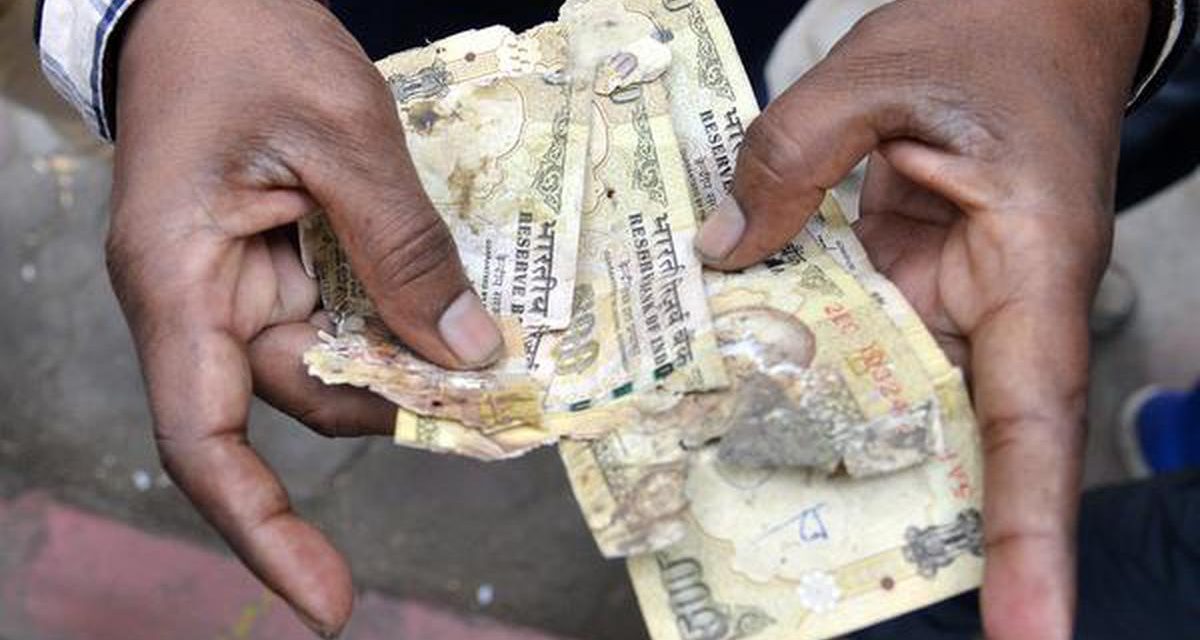
The Problem: It has become the norm that there are some notes that are rejected by individuals and merchants. This is mostly owing to their state e.g. being torn or soiled (i.e. dirty).

The Solution: There are people who offer or pay e.g. 50 percent of the value of the damaged note in question. This means if it is US$100 they only pay US$50. However, there is always room for negotiation. After all, whichever way you look at it, these people still realize huge margins. The perceived convenience by you is that you are getting good notes. The people doing this consider two main checks before accepting compromised notes. One, they check for the presence of authentic serial numbers. Two, they also check for the presence and authenticity of other core security features.

What Happens To The Compromised Notes: These people then take the damaged notes to exchange them for fresh or good ones. Where they take the notes to will depend though. Some of them have contacts in local Zimbabwean banks. What is interesting is that in some banks you may take a torn or soiled note and it will be rejected. Yet someone with a contact at the same bank takes the same note and it will be accepted.
Just the other day I escorted someone to bank some monies at a certain local bank. Turns out one of their US$100 notes had a pen ink smudge by one of its edges. It got rejected and the person at the bank said they would be charged 5 percent for accepting it. You see, it is a very interesting ecosystem. Some people have contacts in neighbouring South Africa. Some of them actually have contacts in the US.

Some people do it occasionally whereas some actually do it full time. There are individuals who even get operating float and are paid commissions for collecting soiled or torn notes. This is particularly so for those who have contacts bankrolling their operations. That tells you how serious this thing is.

The Business Model Is Simple: One buys the compromised notes at less than their actual value. That person takes the notes to a bank or their contact; they get good notes for the actual value of the notes. This means the amount they deduct from the real value is their profit. The deduction is the supposed charge for the ‘service’ they are rendering to you i.e. accepting your ‘rejected’ notes.

How About Bearer’s Cheques: How Does It All Work?
Bearer’s cheques have a somewhat different business model. Some collect them and sell them on eBay. There really is not fixed price for them once on eBay. This is because at times prospective buyers bid on them. No wonder the price varies. Again the aspect of contacts applies here as well. There are some who have direct access to collectors. Then there are some who have access to important middlemen. The same model of getting float and earning commissions also applies in some arrangements.
When the people dealing in these cheques buy them, the prices largely depend on the size of the denomination. As in, the numerical size of the note. For instance someone dealers buy:

100 One Million Dollar Notes For US$4

100 One Hundred Billion Dollar Notes For US$10
1 One Hundred Trillion Dollar Note For US$20
I am sure you get the picture. The highest denominations fetch more as single notes.
Why Do People Buy Them? – As in, those buying them from platforms such as eBay or another other person or platform, why do they need them? Well, the short answer is that they consider them a unique collector’s item. The reason is because these Zimbabwean bearer’s cheques are unique. They hold the undisputed title of the notes with the most zeroes of any legal tender in all of recorded history. No wonder why there is a global demand for them especially by collectors. I guess you can see why there is good money because some serious buyers are prepared to pay big.
The interesting thing about bearer’s cheques is that what was once a symbol of debilitating hyperinflation is now considered an asset. For instance, there are collectors who started getting these bearer’s cheques several years ago. Back then the prices were obviously giveaways since it was a budding trade. The present value of those notes would translate to an over 1000 percent increase in value for some collectors.
Now you know what the craze is regarding buying torn or soiled notes or bearer’s cheques. It is clear that the profit margins are quite wide. Obviously I cannot dispute concerns some of you may have about this whole thing. After all, it is clear display of arbitrage in a way. Yet some financial institutions and merchants seem to be in on this trade. Sadly many of the unsuspecting public are being taken advantage. On bearer’s cheques it is somehow understandable but as for US dollar or South African Rand notes, it is unfair given the notes will still be legal tender.